

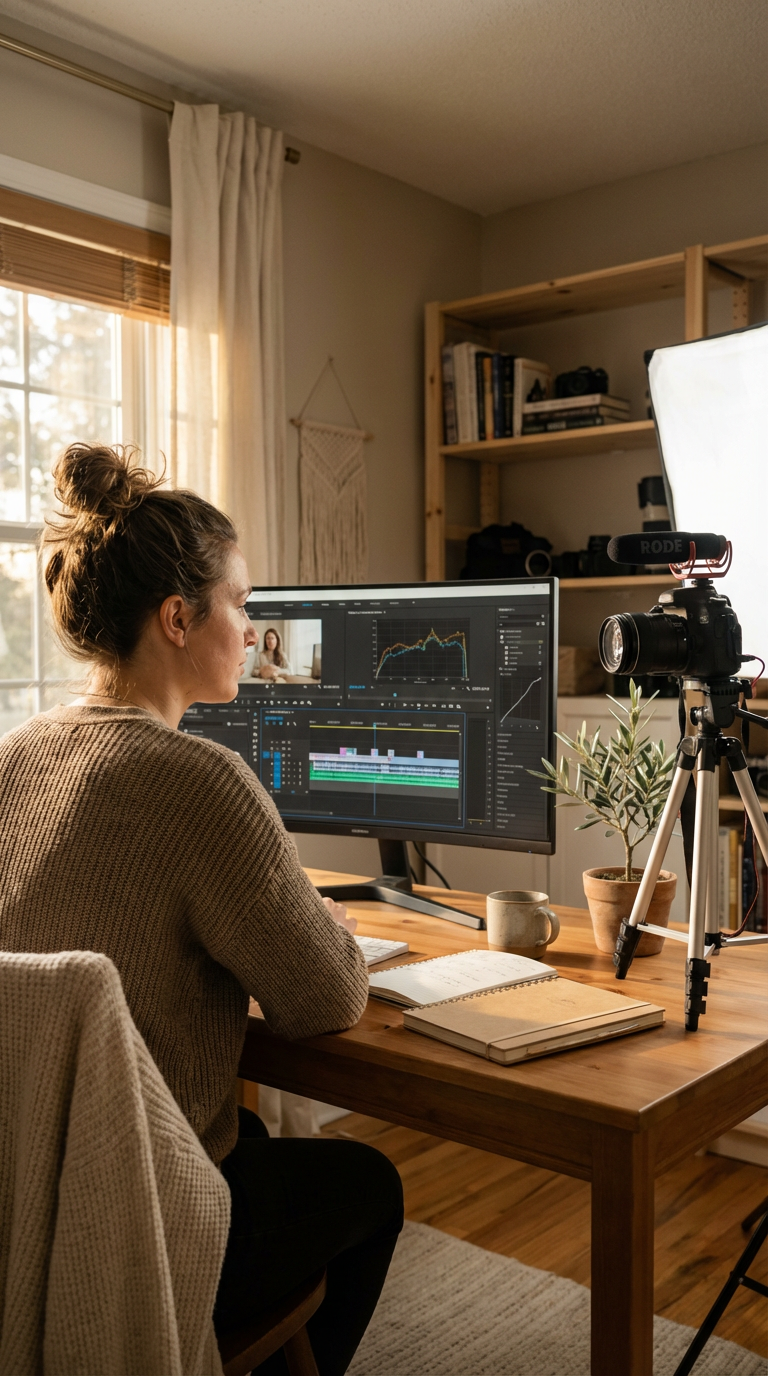

What is YouTube Production?
If you’ve ever wondered what separates viral YouTube videos from amateur content, the answer lies in understanding what YouTube production truly involves. YouTube production is the comprehensive process of creating, optimizing, and publishing video content specifically designed for the YouTube platform. It encompasses everything from initial concept development and filming to editing, SEO optimization, and strategic distribution. In 2026, successful YouTube production combines technical skills, platform knowledge, and audience understanding to create content that resonates and ranks.
However, YouTube production isn’t just about pointing a camera and hitting record. It requires a strategic approach that considers algorithm preferences, audience behavior, and content optimization. Whether you’re a business looking to expand your digital presence or a creator aiming to grow your channel, understanding the production process is essential for success.
Defining YouTube Production: More Than Just Video Creation
YouTube production represents a specialized form of video content creation tailored specifically for the YouTube ecosystem. Unlike traditional video production, it requires intimate knowledge of how the platform operates, what audiences expect, and how the algorithm prioritizes content.
At its core, YouTube production involves four critical phases. First, there’s pre-production, where ideas are developed and planned. Second, the production phase captures the actual footage. Third, post-production transforms raw footage into polished content. Finally, optimization and distribution ensure your content reaches the right audience.
Therefore, successful YouTube production requires both creative and technical expertise. You need storytelling abilities combined with platform-specific knowledge. Moreover, understanding analytics and audience behavior becomes just as important as camera skills and editing proficiency.
The Complete YouTube Production Process
Pre-Production Planning: The Foundation of Success
Every successful YouTube video begins with thorough planning. Pre-production determines your content’s direction, format, and ultimate effectiveness. This phase includes several critical components that set the stage for everything that follows.
First, you need content ideation and research. This involves identifying topics your audience wants to consume, analyzing competitor content, and finding gaps in the market. Specifically, use YouTube’s search suggestions and trending topics to inform your content calendar.
Next comes scripting and storyboarding. Even informal videos benefit from structure. Your script doesn’t need to be word-for-word, but it should outline key points, transitions, and calls to action. As a result, your filming becomes more efficient and your final product more coherent.
Additionally, pre-production includes location scouting, equipment preparation, and scheduling. Consider lighting conditions, background aesthetics, and audio quality before you start filming. These decisions dramatically impact your production value and viewer retention.
Production: Capturing Quality Footage
The production phase is where your planning materializes into actual footage. In 2026, YouTube audiences expect professional quality, even from independent creators. However, professional quality doesn’t always require expensive equipment.
Camera work forms the backbone of production. Whether you’re using a smartphone, DSLR, or cinema camera, focus on stable shots, proper framing, and consistent exposure. Movement should be intentional and smooth, contributing to your story rather than distracting from it.
Importantly, audio quality often matters more than video quality. Poor audio causes viewers to click away faster than mediocre visuals. Therefore, invest in a decent microphone and monitor your audio levels throughout filming. Background noise, echo, and inconsistent volume all undermine your production value.
Lighting transforms amateur footage into professional content. Natural light works well for certain content types, but controlled lighting gives you consistency and flexibility. Three-point lighting remains the standard approach, though ring lights and LED panels offer simpler solutions for talking-head content.
Post-Production: Where Content Comes Alive
Post-production transforms raw footage into engaging content. This phase includes editing, color correction, audio mixing, graphics creation, and final export. In addition, it’s where your creative vision fully materializes.
Video editing requires both technical skills and creative judgment. You’re selecting the best takes, trimming unnecessary content, and creating a narrative flow that maintains viewer attention. Pacing is critical—too slow and viewers leave, too fast and they become overwhelmed.
Furthermore, modern YouTube content requires graphics and motion elements. Lower thirds, transitions, text overlays, and animated elements enhance professionalism and aid comprehension. However, these elements should enhance rather than overwhelm your core content.
Color correction and grading give your videos a consistent, polished look. Even basic adjustments to exposure, contrast, and saturation improve visual appeal. Moreover, establishing a consistent color palette helps build brand recognition across your content.
Audio post-production includes removing background noise, balancing levels, and adding music or sound effects. Strategic audio choices enhance emotional impact and maintain engagement. For example, subtle background music during B-roll segments adds production value without distracting from your message.
Optimization and Publishing: Making Content Discoverable
Creating great content means nothing if nobody finds it. Therefore, optimization is a critical component of YouTube production. This involves strategic decisions about titles, descriptions, tags, thumbnails, and publishing times.
Your title needs to balance searchability with click-worthiness. Include relevant keywords while creating curiosity or promising value. Specifically, front-load important keywords since search results often truncate longer titles.
The video description serves multiple purposes. It provides context for viewers, includes relevant keywords for search optimization, and offers space for links and calls to action. As a result, thoughtful descriptions improve both discoverability and viewer engagement.
Thumbnail creation deserves significant attention. Custom thumbnails with clear visuals, readable text, and compelling imagery dramatically improve click-through rates. In fact, thumbnails often determine whether viewers choose your content over competitors.
Additionally, strategic tagging helps YouTube understand your content’s context. Use a mix of broad and specific tags that accurately describe your video. However, avoid tag stuffing or using irrelevant tags, as this can hurt your channel’s standing.
How YouTube Production Differs from Traditional Video Production
YouTube production operates under different constraints and opportunities compared to traditional video production. Understanding these differences helps you create more effective content for the platform.
First, YouTube creators enjoy greater creative control than traditional filmmakers. There’s no network approval process, no committee decisions, and no lengthy development cycles. You can conceptualize, produce, and publish content on your own timeline. However, this freedom also means taking full responsibility for quality and strategy.
Moreover, YouTube provides immediate feedback through analytics. You can see exactly how viewers interact with your content—where they drop off, which sections they rewatch, and how they found your video. Traditional TV production relies on delayed ratings and demographic estimates. In contrast, YouTube’s real-time data enables rapid iteration and improvement.
Direct audience interaction represents another key difference. YouTube viewers can comment, share, and engage with creators instantly. This creates opportunities for community building and content refinement that traditional media cannot match. Furthermore, this interaction provides valuable insights into what your audience wants next.
The distribution model differs fundamentally as well. Traditional video production follows scheduled programming or theatrical releases. YouTube content remains accessible indefinitely, continuing to attract views long after publication. Therefore, evergreen content can generate value for years, not just days or weeks.
If you’re considering professional support for your YouTube strategy, 320 Creative’s services can help you navigate these platform-specific requirements while maintaining production quality.
Essential Tools and Equipment for YouTube Production
The right tools streamline your production process and improve output quality. However, you don’t need to invest in everything immediately. Start with essentials and expand as your channel grows.
Camera equipment ranges from smartphones to professional cinema cameras. For most creators starting in 2026, a quality smartphone or mid-range mirrorless camera provides sufficient image quality. The camera matters less than your understanding of composition, lighting, and storytelling.
Audio equipment deserves priority investment. A USB microphone like the Blue Yeti works well for voiceovers and podcasts, while lavalier microphones excel for on-camera dialogue. Shotgun microphones mounted on cameras capture quality audio during active shooting.
Lighting equipment transforms production value. Ring lights suit beauty and talking-head content. Softbox kits provide versatile lighting for various scenarios. LED panels offer adjustable, portable lighting that works across content types. Importantly, proper lighting compensates for camera limitations and creates professional aesthetics.
Editing software represents your post-production workspace. Adobe Premiere Pro remains the industry standard, offering comprehensive features and regular updates. Final Cut Pro serves Mac users with powerful editing capabilities. For beginners, DaVinci Resolve provides professional features at no cost, making it an excellent starting point.
Additionally, specialized tools enhance specific aspects of production. Thumbnail creators like Canva simplify graphic design. Keyword research tools help identify content opportunities. Project management software keeps production organized and on schedule.
Strategy and Analytics in YouTube Production
Successful YouTube production extends beyond technical execution. Strategic thinking and data analysis separate thriving channels from stagnant ones. Therefore, incorporate strategic planning into every stage of your production process.
Content strategy begins with understanding your target audience. Who are they? What problems do they face? What content do they already consume? Answering these questions informs topic selection, presentation style, and optimization approaches. Moreover, niche focus typically outperforms broad content, especially for growing channels.
Publishing consistency builds audience expectations and improves algorithmic performance. Whether you publish weekly, bi-weekly, or monthly, maintain a schedule viewers can anticipate. Consistency signals to YouTube that your channel is active and worthy of promotion.
Analytics interpretation guides improvement. YouTube Studio provides extensive data about viewer behavior, traffic sources, and demographic information. Specifically, pay attention to average view duration, click-through rate, and traffic sources. These metrics reveal what’s working and what needs adjustment.
For instance, high impressions with low click-through rate suggests thumbnail or title problems. High click-through rate with low average view duration indicates your content doesn’t deliver on its promise. Understanding these patterns enables targeted improvements rather than guessing.
Furthermore, Google’s research consistently shows that viewer retention is crucial for YouTube success. Videos that maintain audience attention receive more promotion from the algorithm. Therefore, analyze retention graphs to identify where viewers lose interest and adjust future content accordingly.
Collaborations and cross-promotion expand your reach. Partnering with complementary creators introduces your content to new audiences. Guest appearances, shoutouts, and collaborative projects benefit all participants. As a result, strategic networking becomes part of effective YouTube production.
Why Professional YouTube Production Matters
You might wonder whether professional production quality actually matters. After all, some successful creators use minimal equipment and casual presentation styles. However, professional production provides distinct advantages that impact channel growth and monetization potential.
First, production quality affects viewer perception. Well-produced content signals credibility, expertise, and professionalism. Viewers unconsciously associate production quality with content quality. Therefore, investing in production improvements can increase trust and engagement.
Moreover, professional production improves viewer retention. Clean audio, steady footage, and thoughtful editing maintain attention better than amateur production. Since retention directly impacts algorithmic promotion, production quality indirectly affects your content’s reach.
Brand partnerships and sponsorship opportunities increase with production quality. Companies seeking influencer partnerships evaluate production value when selecting creators. Higher production standards open doors to more lucrative collaborations and sponsorship deals.
Additionally, professional production future-proofs your content. Well-produced videos remain relevant and viewable longer than poorly produced content. As viewer expectations rise, older professional content maintains value while amateur content becomes dated.
Many creators reach a point where managing production in-house becomes overwhelming. At that stage, partnering with experienced production teams makes sense. They bring expertise, efficiency, and perspective that accelerates channel growth while freeing you to focus on content strategy and audience building.
Whether you handle production internally or seek professional support, understanding the production process helps you make better decisions. You’ll know what questions to ask, what standards to expect, and how to evaluate results. This knowledge proves invaluable regardless of your production approach.
Moving Forward with Your YouTube Production Journey
YouTube production combines creativity, technical skill, platform knowledge, and strategic thinking. It’s more complex than simply recording and uploading videos. However, understanding the process demystifies content creation and provides a roadmap for improvement.
Start by focusing on fundamentals. Master audio quality, lighting basics, and narrative structure before pursuing advanced techniques. Consistency matters more than perfection, especially when building an audience. Therefore, publish regularly while continuously improving your craft.
Learn from analytics and audience feedback. Your viewers tell you what works through their behavior. Watch time, engagement, and growth metrics reveal which content resonates. Use this data to refine your approach and double down on successful formats.
Invest strategically in equipment and skills. Prioritize tools that address your biggest production weaknesses. If audio is problematic, upgrade your microphone. If editing takes too long, invest time learning keyboard shortcuts and efficient workflows. Targeted improvements yield better returns than scattered investments.
Furthermore, don’t underestimate the value of professional guidance. Whether through online courses, mentorship, or production partnerships, learning from experienced creators accelerates your progress. You avoid common mistakes and implement proven strategies from the start.
YouTube production in 2026 offers unprecedented opportunities for creators and businesses. The platform continues to grow, audiences crave quality content, and monetization options expand. However, success requires more than luck or timing. It demands understanding the production process, committing to quality, and staying strategic about growth.
Ready to elevate your YouTube production to professional standards? At 320 Creative, we specialize in helping creators and businesses develop content strategies that drive real results. Our team understands the nuances of YouTube production—from technical execution to strategic optimization. Whether you need full production support or strategic consulting to improve your existing workflow, we’re here to help you succeed. Visit 320 Creative’s services to discover how we can transform your YouTube presence and help you achieve your content goals. Let’s create something extraordinary together.